November 3, 2026
Modern vehicles rely on advanced technology to help drivers navigate roads safely and respond to potential hazards. Advanced Driver Assistance Systems (ADAS) use cameras, sensors, and other components to support features such as lane departure warnings, automatic emergency braking, and adaptive cruise control. Many of these systems depend on equipment mounted near or behind the windshield, making windshield condition and positioning essential to their performance. When a windshield becomes cracked, chipped, or damaged beyond repair, replacing it involves more than installing a new piece of auto glass. The process may also require ADAS calibration to ensure cameras and sensors accurately interpret their surroundings.
Understand How ADAS Relies on Your Windshield
Advanced Driver Assistance Systems are technologies designed to help drivers identify potential dangers and maintain better control of their vehicles. Depending on the model, these systems may include lane-keeping assistance, forward collision warnings, automatic emergency braking, traffic sign recognition, and pedestrian detection. Cameras and sensors gather information about surrounding vehicles, road markings, obstacles, and traffic conditions, allowing the vehicle to provide alerts or assist with certain driving tasks. Although ADAS can improve awareness and help reduce accident risks, these features do not replace attentive driving.
Many vehicles position forward-facing cameras behind the windshield, typically near the rearview mirror. This location provides a clear view of the road while protecting sensitive equipment from outside elements. According to Global Growth Insights, more than 85 models in 30 countries integrate ADAS systems into car windshields. Because these cameras rely on precise positioning and unobstructed visibility, windshield quality, thickness, curvature, and optical properties can influence their operation. Using compatible replacement auto glass and following manufacturer specifications are therefore important steps in preserving the intended performance of these safety technologies.
Explain Why ADAS Calibration Is Essential After Windshield Replacement
Windshield replacement can affect the positioning of cameras that support driver assistance features. Even when technicians install the auto glass correctly, small differences in camera alignment or the windshield's optical characteristics can influence how the system interprets road conditions. Calibration establishes or verifies the camera's reference points so it can accurately identify lane markings, nearby vehicles, pedestrians, and other objects. Depending on the vehicle manufacturer's requirements, calibration may also be necessary after certain repairs, camera removals, or changes that affect sensor positioning.
Skipping required calibration can compromise safety features without making the problem immediately obvious to the driver. A misaligned camera might misinterpret lane boundaries, provide inaccurate collision warnings, or affect the operation of automated braking and steering assistance. Some vehicles may display dashboard warnings, but others might not make every calibration problem apparent during ordinary driving. Vehicle owners should therefore ask whether calibration is required whenever their windshield is replaced. Completing the appropriate procedure helps restore system accuracy and reduces the risk of relying on driver assistance features that are not functioning as intended.
Compare the Different Types of ADAS Calibration
The two primary approaches to ADAS calibration are static and dynamic calibration. Static calibration typically takes place in a controlled workshop environment, where technicians position specialized targets, measuring equipment, and the vehicle according to manufacturer specifications. Diagnostic tools communicate with the vehicle's electronic systems to establish the camera's correct alignment and reference points. Proper lighting, level flooring, accurate measurements, and suitable target placement can all affect the outcome. Since each vehicle has specific requirements, technicians must follow the appropriate procedures rather than relying on a universal setup.
Dynamic calibration involves driving the vehicle under prescribed conditions so its systems can adjust or verify camera alignment using real-world road information. The procedure may require particular speeds, clearly visible lane markings, suitable weather, and a specific driving duration. Some vehicles require static calibration, while others need dynamic calibration or a combination of both methods. The manufacturer's instructions determine which approach is appropriate. Qualified technicians also use diagnostic equipment to check for fault codes and confirm successful completion. Understanding these differences helps vehicle owners recognize why calibration can require additional time, specialized facilities, or a carefully planned road test after windshield replacement.
Discover How Auto Glass Companies Perform ADAS Calibration
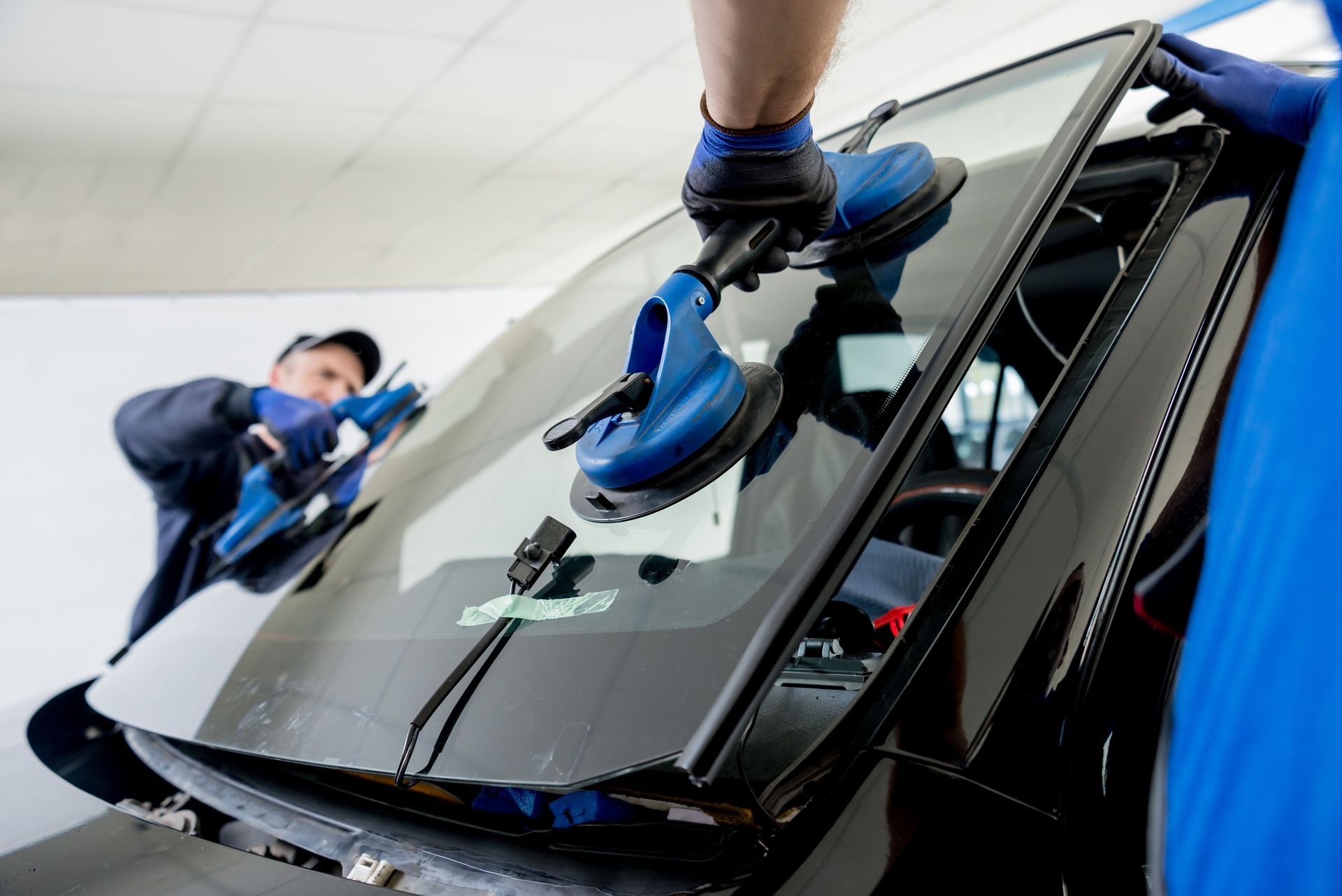
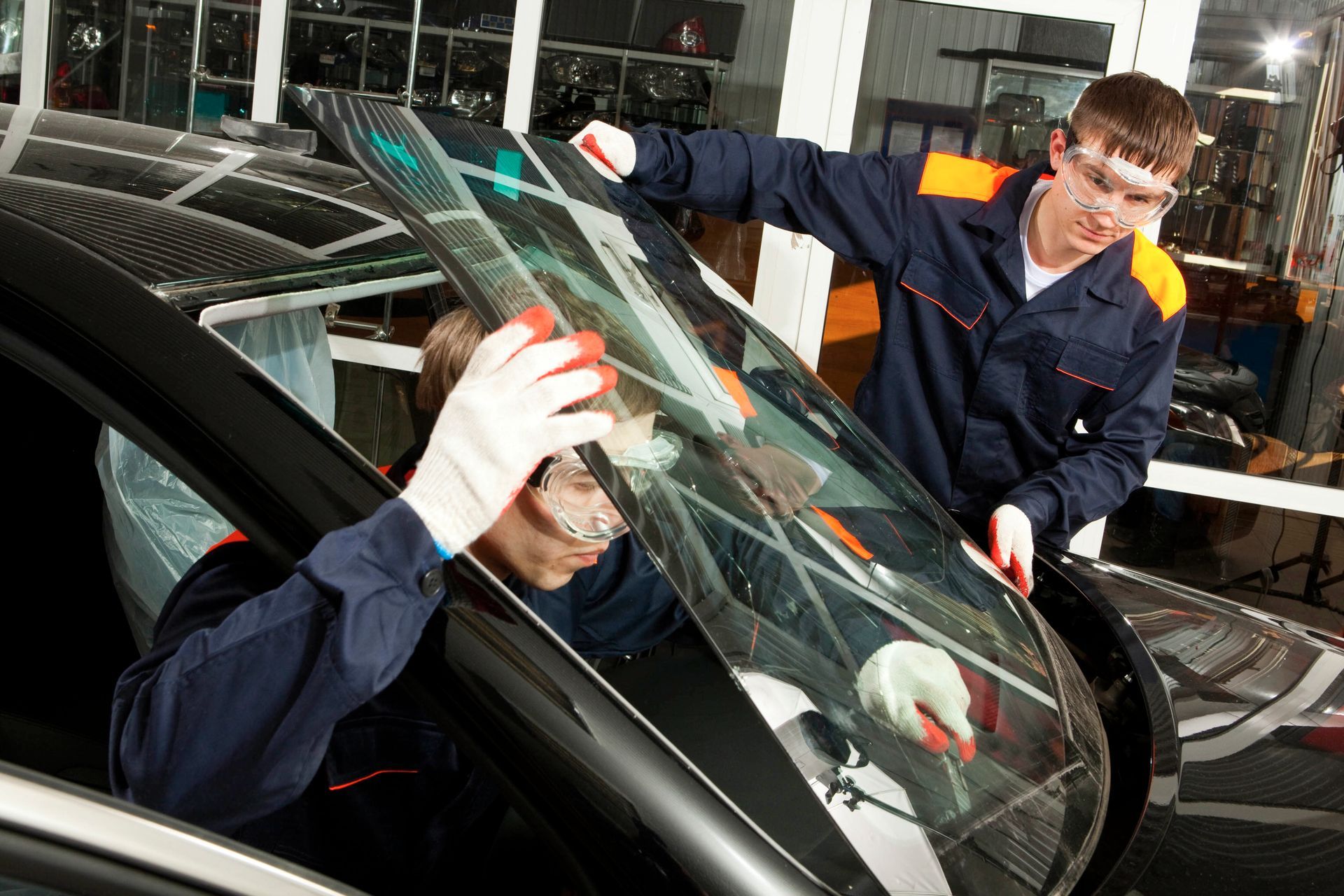
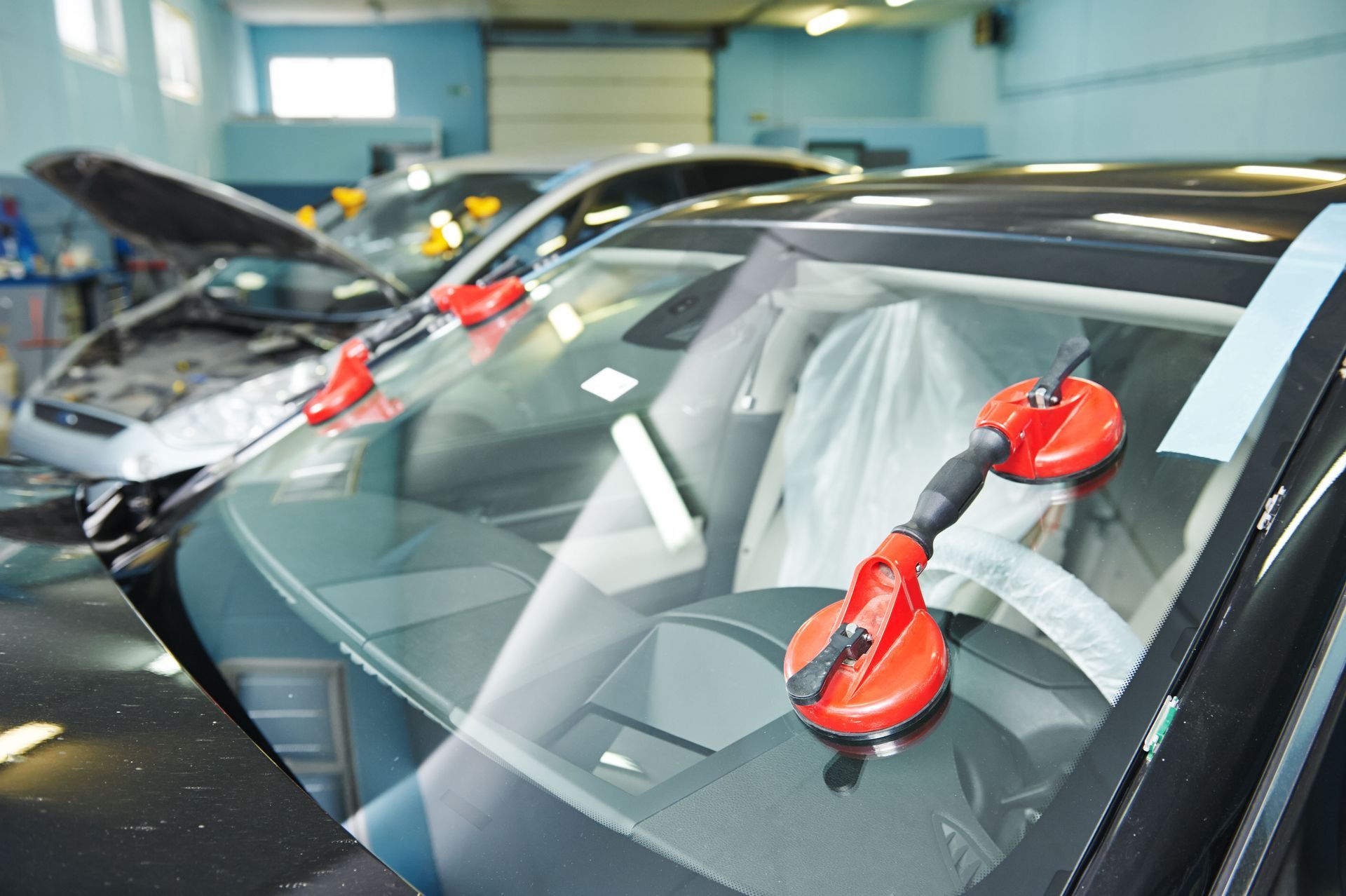
The process begins with an inspection to identify the vehicle's make, model, year, and installed driver assistance features. Technicians determine the required replacement windshield and review the manufacturer's calibration instructions before beginning work. They then remove the damaged glass, prepare the frame, and install compatible replacement glass using the appropriate materials and procedures. If a camera or sensor must be removed during installation, it must be reinstalled according to specifications. Correct glass selection and careful installation provide the foundation for accurate calibration and reliable operation of the vehicle's safety systems.
After installation, technicians use suitable diagnostic tools and perform the required static or dynamic calibration procedures. Depending on the vehicle, this may involve positioning targets, measuring alignment, connecting diagnostic equipment, or driving under specified conditions. Once the procedure is complete, they check for relevant system faults and verify that calibration requirements have been met. Auto glass companies with the right training, equipment, and procedures can help vehicle owners navigate these technical requirements. Customers should ask for confirmation of completed calibration and retain any available documentation. If calibration cannot be completed because of weather, road conditions, equipment issues, or another limitation, the provider should explain the next steps before the vehicle is treated as ready for normal use.
Choose the Right Auto Glass Company for ADAS Calibration
Choosing a qualified provider begins with confirming its experience servicing vehicles equipped with ADAS technology. Ask whether technicians have relevant training and access to calibration equipment suitable for your vehicle. It is also important to determine whether the company follows manufacturer-specific procedures and can identify when static, dynamic, or combined calibration is necessary. Not every vehicle uses the same technology, so a provider should be prepared to explain the requirements for your particular make and model. Reviews, recommendations, and clear answers to technical questions can help you evaluate a company's reliability before scheduling an appointment.
Cost and service transparency are also important considerations. Request an estimate that explains whether calibration is included in the windshield replacement price or billed separately, and check with your insurance provider to understand any applicable coverage. Ask whether the company supplies documentation confirming the work and explains any warning lights or outstanding issues identified during testing. A low initial price may not represent the best value if necessary calibration is excluded or must be completed elsewhere. Prioritizing proper installation, verified calibration, and clear communication helps ensure that your vehicle's safety systems receive the attention they require. The right provider should be willing to answer questions and explain any limitations rather than making unsupported guarantees.
ADAS technology has made windshield replacement a more specialized process, connecting glass installation directly to the performance of important vehicle safety features. Because cameras and sensors may depend on precise alignment and compatible glass, calibration is an essential step whenever the manufacturer requires it. Understanding the difference between static and dynamic calibration also helps drivers recognize why the procedure may involve specialized equipment, controlled conditions, or a road test. Before arranging a windshield replacement, ask about calibration requirements, technician qualifications, and post-service verification. Choosing experienced auto glass companies that follow manufacturer specifications can help restore the intended functionality of driver assistance systems and support safer driving. Reach out to Tri-State Auto Glass to learn more about our auto glass services today.