June 2, 2026
The integrity of a vehicle’s transparency is often taken for granted until a sudden impact disrupts the view. Whether it is a small pebble kicked up by a passing truck or a large branch falling during a storm, damage to the windshield or windows presents a significant dilemma for any driver. Maintaining clear visibility is not just a matter of aesthetics; it is a fundamental safety requirement. Modern vehicles rely on their glass as a structural component, providing support to the roof during a rollover and ensuring that airbags deploy correctly. When damage occurs, the primary question for most owners revolves around the financial and practical differences between a quick fix and a total overhaul. Navigating these choices requires a clear understanding of how professionals assess the severity of the situation and the various factors that influence the final invoice.
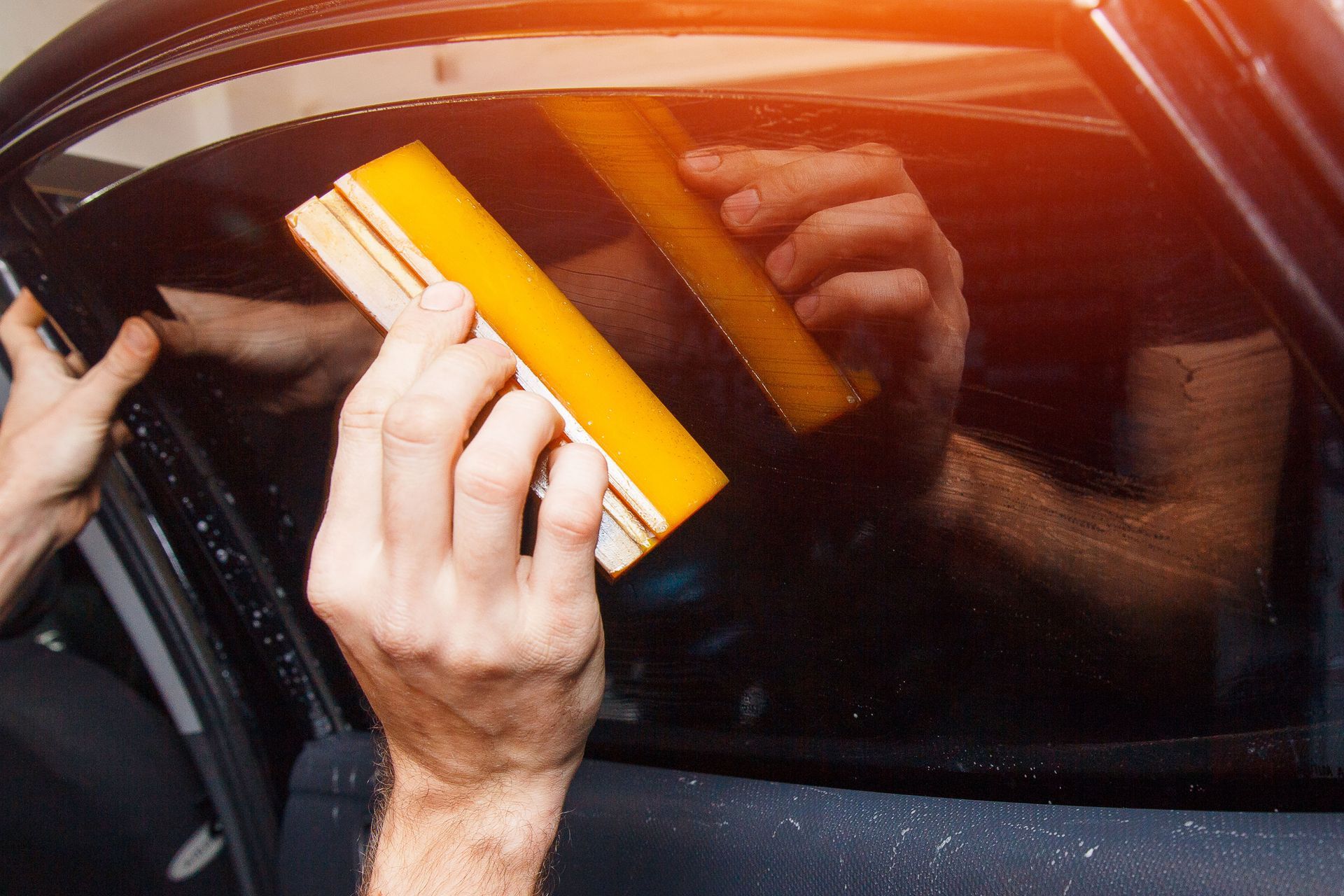
The industry surrounding vehicle protection and maintenance is a robust and expanding sector of the global economy. As automotive technology advances, so does the demand for specialized coatings and treatments that enhance the driving experience. According to Grand View Research, the global automotive tinting film market size was valued at $6.65 billion in 2022 and is predicted to grow at a compound annual growth rate (CAGR) of 7.4% from 2023 to 2030. This growth reflects a broader trend in which consumers are increasingly willing to invest in the longevity and efficiency of their vehicles. However, before one can consider aesthetic or protective upgrades like tinting, the foundational glass must be in pristine condition. Deciding how to address a chip or a crack is the first step in that journey.
Assessing the Severity of Damage
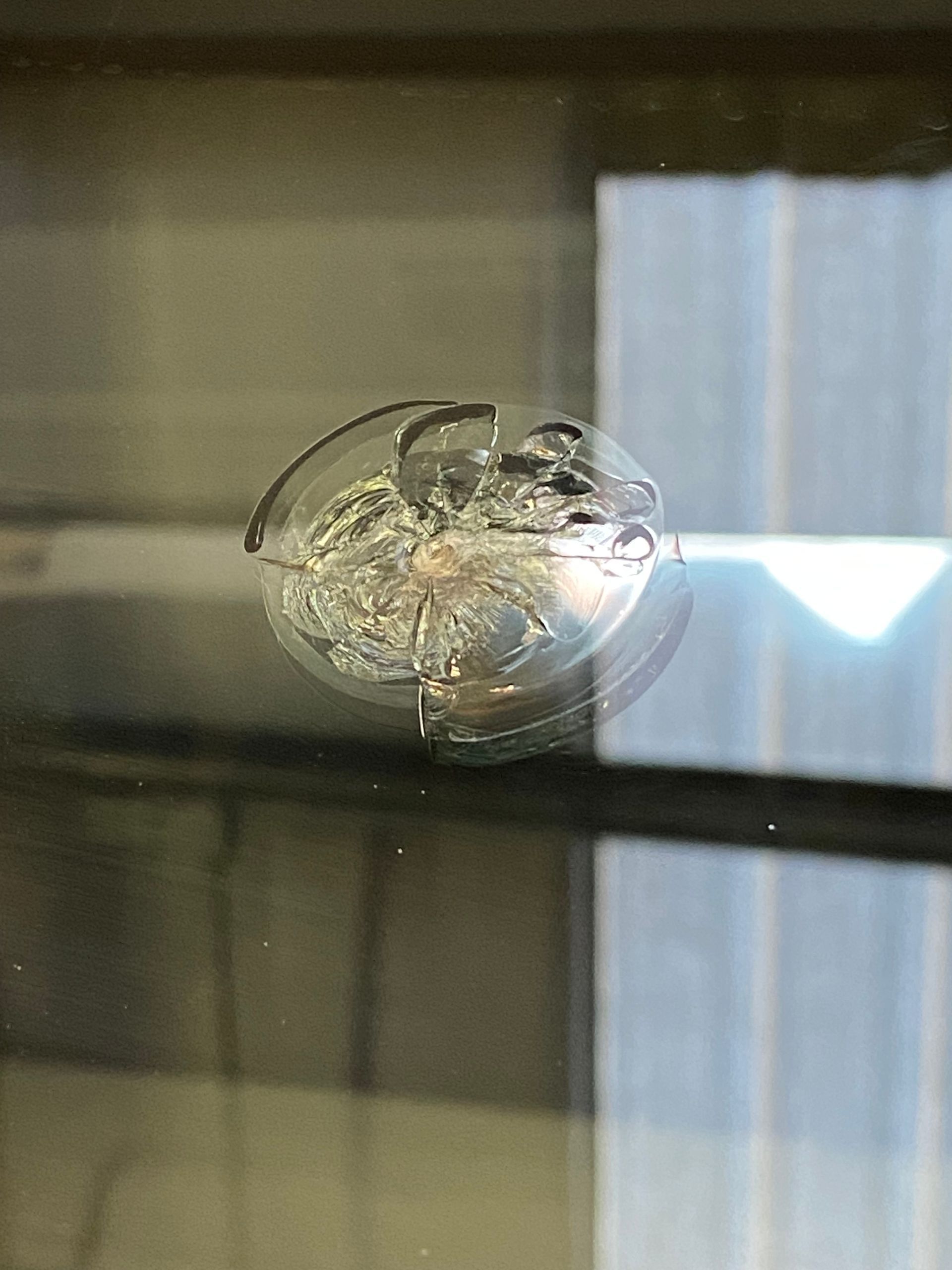
The initial phase of any professional evaluation involves determining the physical dimensions and the location of the blemish. Generally, a small pit or a minor star-shaped break can be handled without removing the entire pane. Experts typically look at whether the impact has penetrated the inner layer of the laminated safety glass. If the damage is limited to the outer surface and is smaller than a common coin, a fix is usually the most viable path. However, if the crack extends toward the edge of the frame, the structural bond may be compromised, necessitating a full swap. Professional auto glass services rely on these standardized assessments to ensure that every vehicle remains safe for the road while minimizing unnecessary expenses for the owner.
The location of the damage is just as critical as its size. A tiny chip directly in the driver’s line of sight might be irreparable because the resin used in the process can cause a slight distortion in the light passing through it. Even a perfectly executed fix can leave a faint mark that might distract the operator during nighttime driving or in heavy rain. Furthermore, damage that sits directly over the sensors used for advanced driver assistance systems often triggers an automatic recommendation for a full replacement. In these instances, the priority shifts from saving money to ensuring that the vehicle’s safety technology can function without interference.
Comparing Material and Labor Expenses
The financial difference between a localized fix and a total installation is significant. A simple restoration involves injecting a specialized clear resin into the damaged area, which is then cured with ultraviolet light and polished to a smooth finish. This process requires minimal materials and a relatively short amount of time, making it the most budget-friendly option. Most drivers find that this approach is a fraction of the cost of a new pane. Because it preserves the original factory seal around the frame, it is often the preferred method for those looking to maintain the vehicle’s original assembly while addressing minor cosmetic and structural issues.
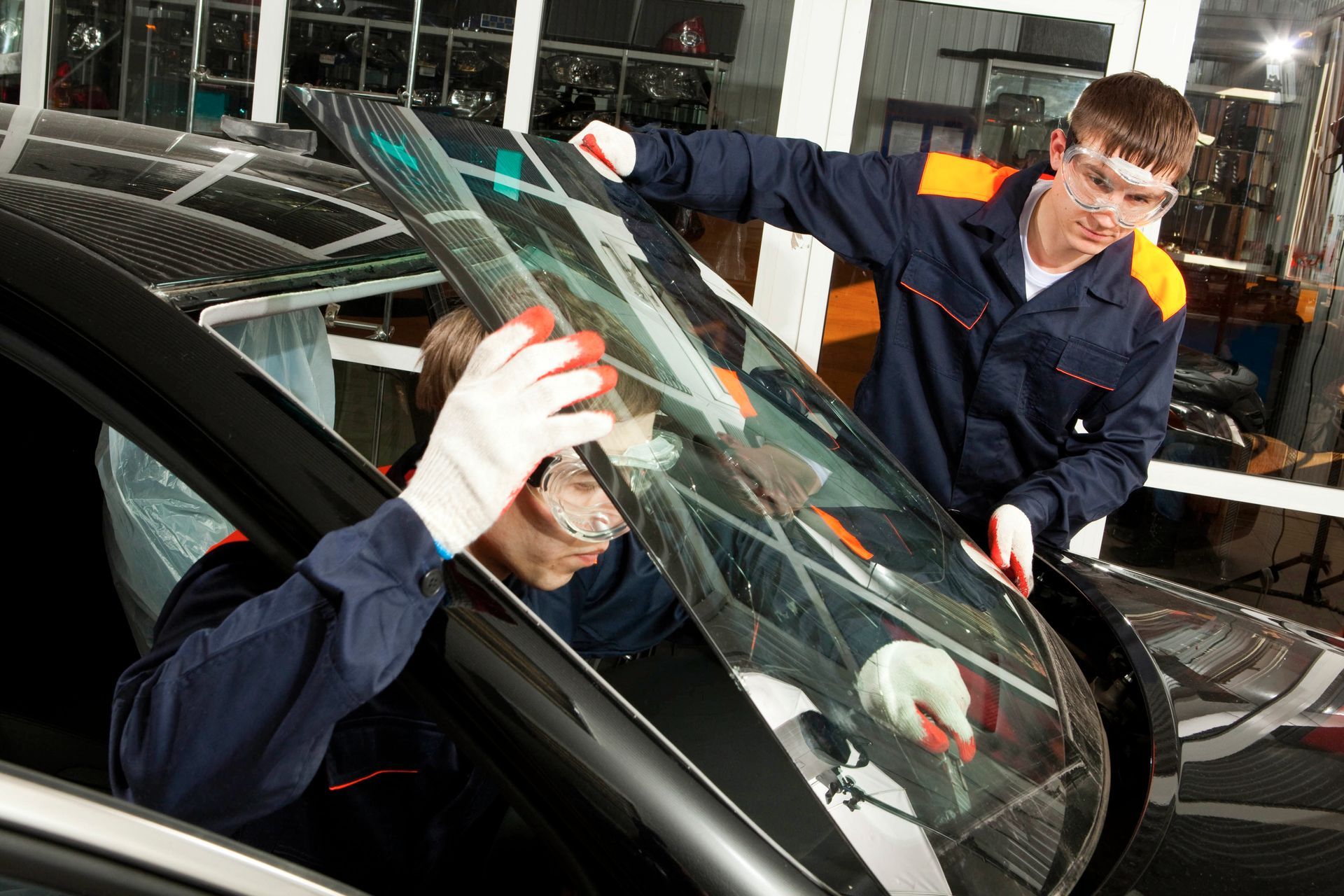
In contrast, a full replacement involves the cost of the new glass itself, which varies greatly depending on the make and model of the vehicle. Modern windshields often include heating elements, rain sensors, and heads-up display coatings, all of which increase the price of the part. The labor required is also more intensive, as technicians must carefully remove the old adhesive, treat the frame to prevent future rust, and precisely set the new pane to ensure a leak-proof seal. When seeking auto glass services for a full installation, the total bill reflects both the sophisticated technology embedded in the part and the specialized skill required to calibrate the vehicle’s internal systems afterward.
Evaluating Insurance Coverage and Deductibles
For many individuals, the out-of-pocket cost is determined by the specific details of their insurance policy. Many providers encourage localized fixes by waiving the deductible entirely for these smaller tasks. This is because a simple resin injection is far less expensive for the insurer than a total replacement, creating a win-win scenario where the driver pays nothing and the company avoids a larger claim. It is always wise to review your policy or speak with an agent before making a final decision, as the financial burden might be lighter than initially expected.
When a full replacement is the only safe option, the comprehensive portion of an insurance policy typically comes into play. In these cases, the driver is usually responsible for their standard deductible, while the insurance company covers the remainder of the balance. Some premium policies even offer full glass coverage with no deductible at all. Navigating these administrative hurdles is a standard part of the assistance provided by high-quality auto glass services, as they often coordinate directly with insurance adjusters to streamline the paperwork.
Understanding your coverage limits can take the stress out of an unexpected break and allow you to focus on getting back on the road.
Minimizing Future Risks and Damage
Preventative measures can go a long way in avoiding the high costs associated with total glass failure. Addressing a small chip as soon as it appears is the most effective way to save money, as it prevents the damage from spidering across the entire surface. Additionally, avoiding following large construction vehicles too closely and being mindful of where you park can reduce the likelihood of an impact.
When damage does occur, the choice of a service provider is paramount. You want a team that uses high-quality resins and follows the strict safety protocols required for modern installations. By choosing reputable auto glass services, you ensure that the materials used meet or exceed original equipment standards. Whether you are opting for a minor fix or a total replacement, the quality of the workmanship determines how well the glass will hold up under the stress of daily driving.
The decision between repairing a blemish or replacing a pane is a balance of safety, technology, and financial planning. While the immediate cost of a resin injection is lower, the long-term value of a fresh installation cannot be ignored for older or severely damaged vehicles. By staying informed about the latest trends in the market and the specific needs of your car's safety systems, you can make a choice that protects both your wallet and your well-being. Ultimately, the goal is to maintain a clear and unobstructed view of the world around you, ensuring that every journey is as safe as possible.
At Tri-State Auto Glass, we take pride in offering the expertise and precision required to keep your vehicle in top condition. We understand that your safety depends on the quality of our work, and we are committed to providing the best possible solutions for every crack, chip, and break.